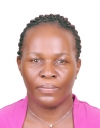
Nicolette Nabukeera Barungi
ID: UNCST-2022-R008960
|
RUTF packaging for play and stimulation in the management of acute malnutrition: Project Play
REFNo: HS3507ES
5. To determine whether the implementation of RUTF-box-based play materials for play stimulation improves nutrition program outcomes of children with SAM in Uganda. ,4. To determine the level of structured play integration into nutritional rehabilitation programs for children with acute malnutrition 6 months post-Project Play implementation in 3 health facilities in Uganda.,3. To determine playability, appropriateness of the delivery platform and acceptability of structured play using RUTF-box-based play materials by children with acute malnutrition, their caregivers and health workers in 3 selected health facilities in Uganda.,2. To identify the barriers and facilitators of implementation of structured play and stimulation into routine nutrition service delivery.,1. To assess the current structured-play practices and activities by health workers and caregivers of children under 5 years with acute malnutrition in selected health facilities in Uganda.,The general objective of this study is to determine the effectiveness of structured play using RUTF-based play materials in strengthening integration of structured play into the management of acute malnutrition in Uganda.,
|
Uganda |
2023-12-01 14:46:35 |
2026-12-01 |
Medical and Health Sciences |
Non-Clinical Trial |
Non-degree Award |
|
Charles Batte
ID: UNCST-2021-R013587
|
AMBULATORY BLOOD PRESSURE PATTERNS AMONG PEOPLE LIVING WITH HIV IN RAKAI, UGANDA.
REFNo: HS3209ES
Overall objective
The overall aim of this research project is to characterize ambulatory blood pressure, understand risks for non-dipping patterns, for early detection to improve cardiovascular outcomes among people living with HIV.
Specific Objectives
• To characterize ambulatory blood pressure patterns of participants 35+ years enrolled in the RCCS.
• To determine the prevalence of CVD risk factors by blood pressure dipping patterns among participants 35+ years enrolled in this cohort?
• To determine factors associated with non-dipping patterns among people living with HIV.
• To assess if participants with non-dipping blood pressure patterns exhibit greater burden of arterial stiffness.
• To evaluate the association between non-dipping blood pressure patterns and biomarkers of vascular endothelial cell activation.
|
Uganda |
2023-12-01 14:44:57 |
2026-12-01 |
Medical and Health Sciences |
Non-Clinical Trial |
Degree Award |

|
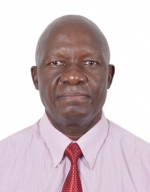
David Guwatudde
ID: UNCST-2021-R008522
|
Nutrition-related Non-communicable Diseases in Adolescence and Youth: Interventions and Policies to Boost Nutrition Fluency and Diet Quality in Africa (ARISE-NUTRINT)
REFNo: HS3481ES
iii) implement the AFNI in four countries and evaluate its associated impact, performance and cost-effectiveness,ii) co-design and paper prototype a context-appropriate adolescent nutrition fluency intervention (ANFI) for four countries in SSA,i) improve adolescent health surveillance by better understanding diets, nutrition and physical activity-related risks of non-communicable diseases, as well as other important aspects of health and health behaviors among adolescents in seven countries in SSA,This project aims to deliver a better understanding of diets and nutrition and physical activity-related risks of NCDs among adolescents in seven countries in SSA, how to optimize implementation of evidence-based interventions that promote healthy behaviors among adolescents and youth, long-term costs-and effects and impact of these interventions, and the factors that lead to the adoption, scale up, sustainment, and knowledge translation of these interventions.,
|
Uganda |
2023-12-01 14:43:40 |
2026-12-01 |
Medical and Health Sciences |
Non-Clinical Trial |
Non-degree Award |
|
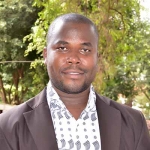
Peter Kisaakye
ID:
|
Addressing Unintended Pregnancy in Refugee Settings in Uganda
REFNo: SS2085ES
1) To determine the prevalence of unintended pregnancy in refugee settings in Uganda; and
2) To identify strategies for expanding access to SRH services that can mitigate unintended pregnancy using existing low-cost approaches; and
3) To assess the feasibility and effectiveness of the strategies identified in refugee settings.
|
Uganda |
2023-11-30 17:07:57 |
2026-11-30 |
Social Science and Humanities |
Non-Clinical Trial |
Non-degree Award |
|
Godfrey Sseremba
ID: UNCST-2023-R008267
|
Breeding for coffee and cocoa root resilience in low input farming systems based
on improved rootstocks (BOLERO)
REFNo: A343ES
Decode the root microbiome taxonomic and functional composition of coffee and cocoa
genotypes grown at different geographic locations and under different cultivation
conditions.
Ascertain whether anthropization of farming systems reduce the diversity of root
microbiomes.
Examine the extent is recruitment of a specific microbiome dependent on the plant
genotype.
Identify beneficial interactions existing between soil biota and coffee genotype.
|
Uganda |
2023-11-29 13:41:47 |
2026-11-29 |
Agricultural Sciences |
Non-Clinical Trial |
Non-degree Award |

|
| View |
|
Sort By: |
|
|
|
| |
|