Katelin Wilton
ID:
|
Supporting Families through Community Health Workers during COVID: A feasibility and acceptability study
REFNo: SS752ES
Main objective/ purpose
The main objective of this study is to better understand coping strategies of frontline health workers, feasibility and acceptability indicators of messaging success.
Specific Objectives
The specific objectives of this study are to:
• Understand frontline health workers perspective on their stress and psychosocial wellbeing
• Understand the feasibility and acceptability of behaviorally-informed SEL and MHPSS messaging targeted at adult and child clients delivered through frontline health workers
• Determine whether such messaging targeted at clients may also improve frontline health worker coping strategies
|
USA |
2021-05-20 |
2024-05-20 |
Social Science and Humanities |
|
Non-degree Award |

|
Paul Atherton
ID:
|
Girls’ Education Challenge Phase II: Continued Access and Learning during Covid-19 in GEC-II PEAS treatment and control schools in Uganda
REFNo: SS764ES
The final research questions for the proposed study are listed below:
a) How have PEAS sought to provide continued access to learning opportunities during school closures?
b) How are the PEAS supporting girls to return to school, and with what effects on girls’ access to learning opportunities?
c) How are PEAS identifying which girls are most at risk of not returning to school? Can a scorecard approach help projects identify those most at risk within projects in a cost-effective way?
d) How have girls’ learning levels changed during the COVID-19 period?
|
UK |
2021-05-20 |
2024-05-20 |
Social Science and Humanities |
Non-Clinical Trial |
Non-degree Award |

|
WINNIE NAMBATYA
ID:
|
Evaluation of the complexity of medicine regimens and drug therapy problems among children with sickle cell anemia in Jinja Regional Referral Hospital: A prescription audit
REFNo: HS1299ES
• To determine the complexity of medication regimens prescribed to the patients with SCA.
• To determine the incidence of DTPs among medications prescribed to children with SCA.
|
Uganda |
2021-05-20 |
2024-05-20 |
Medical and Health Sciences |
Non-Clinical Trial |
Non-degree Award |

|
Waiswa Peter
ID: UNCST-2020-R014921
|
ALERT – ACTION LEVERAGING EVIDENCE TO REDUCE PERINATAL MORTALITY AND MORBIDITY IN SUB-SAHARAN AFRICA
REFNo: HS1324ES
To develop and evaluate a multifaceted intervention to i) strengthen the implementation of evidence-based interventions and responsive care and ii) reduce in-facility perinatal mortality and morbidity through a multidisciplinary approach in Benin, Malawi, Tanzania and Uganda.
|
Uganda |
2021-05-20 |
2024-05-20 |
Medical and Health Sciences |
|
Non-degree Award |

|
Mark Okwir
ID: UNCST-2021-R013417
|
Spectrum, Outcomes, and Factors Associated with the Liver disease in a Tertiary Care Hospital, Northern Uganda: a 5 Year Retrospective Study.
REFNo: HS1333ES
General Objectives
To determine the spectrum, outcome, and factors associated with liver disease in patients admitted at Lira hospital in northern Uganda over the last five years.
Specific Objectives:
1. To describe the spectrum of liver disease among patients admitted to Medical wards in Lira Regional Referral Hospital over the last five years.
2. To determine the factors associated with liver disease among patients admitted with liver disease at Lira Hospital in the last five years.
3. Determine the admission outcomes (mortality and survival) of liver diseases among patients admitted at Lira Reginal Referral Hospital in the last five years.
4. To determine the factors associated with the admission outcomes (mortality and survival) of patients admitted with liver disease at LRRH in the last five years.
|
Uganda |
2021-05-20 |
2024-05-20 |
Medical and Health Sciences |
|
Non-degree Award |

|
SHAMIM NAMUKASA
ID:
|
Prevalence of Sickle Cell Trait and Needs Assessment for Up-Take of Sickle Cell Screening Among Secondary School Students in Kampala City
REFNo: SS818ES
To explore the stakeholders' perceptions regarding the uptake of sickle cell screening among secondary school students in Kampala City,To Assess the factors influencing uptake of sickle cell screening services among secondary school students in Central Uganda.,To determine the prevalence of sickle cell trait among secondary school students in Kampala City,Determine the prevalence of sickle cell trait among secondary school students and identify student-related and stakeholders' factors influencing up-take of sickle trait screening,3. To Explore the stakeholders' perspectives regarding the uptake of sickle cell screening services among secondary school students in Central Uganda.,2. To Assess the factors influencing uptake of sickle cell screening services among secondary school students in Central Uganda.,1. To determine the proportion of sickle cell among secondary school students in Central Uganda.,
|
Uganda |
2021-05-20 |
2024-05-20 |
Social Science and Humanities |
Non-Clinical Trial |
Non-degree Award |

|
Grace Lubega Biyinzika
ID: UNCST-2020-R014149
|
Perceptions and adherence to preventive measures for Coronavirus Disease 2019 among rural community households in Wakiso district, Uganda.
REFNo: SS819ES
3. To explore community barriers and facilitators of adherence to COVID-19 preventive measures among rural community households.,2. To assess adherence to COVID-19 preventive measures as issued by the Government of Uganda among rural community households.,1. To assess perceptions towards COVID-19 preventive measures among rural community households. ,To assess community perceptions and adherence to COVID-19 preventive measures in rural community households of Wakiso district, Uganda in order to provide essential information needed by public health officials and other stakeholders to make an informed decision on the most effective strategy for reduced community transmission.,
|
Uganda |
2021-05-20 |
2024-05-20 |
Social Science and Humanities |
Non-Clinical Trial |
Non-degree Award |

|
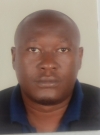
MISAKI WAYENGERA
ID:
|
Prevalence of Polymorphic genes of Alzheimer disease in Nodding disease Tauopathy.
REFNo: HS726ES
To determine if polymorphisms in the eight common genes associated with Alzheimer Disease (APP, MAPT, PREN-1, PREN-2, BACE-1, BACE-2, IDE, and APOE-ε4) are present in DNA of Nodding Disease patients
|
Uganda |
2021-05-18 |
2024-05-18 |
Medical and Health Sciences |
|
Degree Award |
|
Obondo Sande James
ID: UNCST-2019-R000241
|
Selecting Single Component Adjuvants for Vaccine Formulations
REFNo: HS821ES
1. To determine if adjuvants induce maturation of dendritic cells from healthy donors, LTBI and asymptomatic VL
2. To determine if adjuvants induce antigen-independent proliferation of different lymphocyte populations from healthy donors, LTBI and asymptmatic VL.
3. To measure levels of cytokine production induced by the different adjuvants
4. To determine if adjuvants induce cytotoxicity (as measured by annexin V).
|
Uganda |
2021-05-18 |
2024-05-18 |
Medical and Health Sciences |
Non-Clinical Trial |
Non-degree Award |

|
Richard Idro
ID: UNCST-2021-R013599
|
Neurodevelopmental, Behavioural and Physical Growth Outcomes of Children born to Mothers with Nodding Syndrome in Northern Uganda.
REFNo: HS852ES
Primary Objective
To determine the neurodevelopmental and behavioural outcomes of children born to mothers suffering from nodding syndrome compared to children of healthy mothers.
Secondary Objectives
1.To describe adverse medical conditions children of mothers of nodding syndrome have experienced from birth
2.To determine physical growth outcomes among children born to NS patients.
3.To determine the effect of seizure burden (frequency and duration) during pregnancy on child neurodevelopmental outcomes.
4.To determine the effect of caregiver emotional wellbeing on child neurodevelopmental outcomes.
|
Uganda |
2021-05-18 |
2024-05-18 |
Medical and Health Sciences |
|
Non-degree Award |
.jpg)
|
Wilson Tumuhimbise
ID:
|
A mobile health framework for public private mix in Tuberculosis prevention and care in Uganda
REFNo: HS963ES
1). To explore the barriers and motivators to private hospital engagement in TB care among private healthcare workers with particular focus on understanding the current Public Private Mix frameworks utilized.
2). To develop a mobile phone based framework for enhancing the tracking of TB patients referred from private to public hospitals and assess its initial acceptability and feasibility
3). To assess the preliminary impact of the mobile phone based framework on TB patients’ adherence to referrals for TB diagnosis and treatment in public hospitals.
|
Uganda |
2021-05-18 |
2024-05-18 |
Medical and Health Sciences |
|
Degree Award |

|
Janet Nakigudde
ID: UNCST-2019-R000444
|
Catalyzing Change in Education through a Transformative Learning Collaborative: Scaling-Up of a Social Emotional Learning Curriculum in Uganda
A Phase III Randomized Control Trial
REFNo: HS1189ES
Specific Objectives
1. To identify effective strategies to integrate the PD-SEL curriculum into Nakaseke Core Primary Teachers College by applying a learning collaborative approach
2. To carry out additional Professional development adaption of a behavioral management program (PARENT-CORPS) enhancement by integrating teacher/adult SEL training and gender equity. (the PARENT-CORPS program is being adapted at Kibuli CPTC and Bulera CPTC in Hoima but without the SEL component)
3. To evaluate the effectiveness of PD-Enhanced on teachers’ and students’ SEL/SEC when implemented using a task-shifting model with PTC tutors and incorporating a gender-sensitive approach
|
Uganda |
2021-05-18 |
2024-05-18 |
Medical and Health Sciences |
|
Non-degree Award |

|
Josephine Ndagire
ID:
|
Assessment of Justice Delivery for Children Victims of Defilement
REFNo: SS744ES
The main objective of the research is to assess the response of the justice sector in Uganda to the issue of defilement throughout the justice chain in the last decade and the role that the legal framework particularly the law on defilement (as amended in 2007) has played in facilitating or impeding the actions by the sector and ultimately make recommendations on policy and institutional reforms to address the high defilement rates in the face of strong legal guarantees.
|
Uganda |
2021-05-18 |
2024-05-18 |
Social Science and Humanities |
Non-Clinical Trial |
Non-degree Award |

|
Steven Ndugwa Kabwama
ID:
|
Risk Factors for Non-Communicable Diseases among Adults in a District with a High Prevalence of Schistosomiasis
REFNo: HS1289ES
1. To estimate the prevalence of risk factors for NCDs such as alcohol intake, tobacco use, fruit and vegetable intake, obesity and physical activity among adults in Buyende District.
2. To determine the prevalence of schistosomiasis infection among adults in Buyende District.
3. To assess the factors associated with the risk factors for non-communicable diseases (alcohol use, tobacco use, fruit and vegetable intake, obesity) among persons presenting with or without schistosomiasis infection.
|
Uganda |
2021-05-18 |
2024-05-18 |
Medical and Health Sciences |
|
Non-degree Award |

|
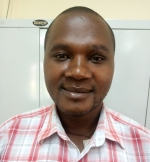
Johnbosco Turyasingura
ID:
|
Community participation and sustainability of donar funded potato projects in Kabale district
REFNo: SS758ES
i. To examine effect of project design and implementation of donor funded potato projects in Kabale District.
ii. To determine the effect of project resourcing on sustainability of donor funded potato projects in Kabale District.
iii. To determine the effect of project monitoring and evaluation on the implementation of donor funded potato projects in Kabale District
|
Uganda |
2021-05-18 |
2024-05-18 |
Social Science and Humanities |
|
Degree Award |
|
Adeodata Rukyalekere Kekitiinwa
ID: UNCST-2019-R000799
|
Novel and Optimized Diagnostics in Pediatric Tuberculosis in Kampala, Uganda(NOD)
REFNo: HS1341ES
The study has the following objectives:
Objective 1: Evaluate and develop novel assays that diagnose TB by detecting Mycobacterium tuberculosis (MTB) bacterial products in non-sputum body fluids. Objective 2: Evaluate and develop novel assays that diagnose TB by detecting host biomarkers in non-sputum body fluids.
Objective 3: Identify combinations of assays that applied together could be used to diagnose TB among children with unconfirmed.
|
Uganda |
2021-05-18 |
2024-05-18 |
Medical and Health Sciences |
Non-Clinical Trial |
Non-degree Award |
|
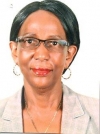
Edith Wakida K
ID: UNCST-2019-R001225
|
Impact and process Evaluation of the Health-Professional Education Partnership Initiative – Transforming Ugandan Institutions Training Against HIV/AIDS
REFNo: HS1351ES
1. To evaluate the acceptability, appropriateness, feasibility, and implementation process of the HIV curriculum
2. To evaluate the acceptability, appropriateness, feasibility, and implementation process of building capacity of primary health care (PHC) providers to provide comprehensive HIV services and strengthen bidirectional linkages between health facilities and communities
3. To evaluate the acceptability, appropriateness, feasibility, and implementation process of the micro-research program
|
Uganda |
2021-05-18 |
2024-05-18 |
Medical and Health Sciences |
Non-Clinical Trial |
Non-degree Award |

|
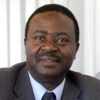
Pontiano Kaleebu
ID: UNCST-2021-R013577
|
A phase I study to determine the safety and immunogenicity of the candidate Rift Valley Fever Virus (RVFV) vaccine ChAdOx1 RVF among healthy adult volunteers in Uganda.
REFNo: HS793ES
The primary objective of this study is to assess the safety profile of the candidate vaccine ChAdOx1 RVF in healthy adult volunteers in Uganda. This will be assessed through comparing the frequency of solicited, unsolicited and serious adverse events and changes from the baseline of laboratory safety measures between participants who will receive the active vaccine and those who will receive the placebo.
The Secondary objective is to assess the immunogenicity of the candidate vaccine ChAdOx1 RVF in healthy adult volunteers in Uganda. This will be assessed through quantification of antibodies to the GnGc proteins using ELISA, RVFV neutralising antibody titres and Ex vivo ELISpot and flow cytometry responses to GnGc.
|
Uganda |
2021-05-17 |
2024-05-17 |
Medical and Health Sciences |
|
Non-degree Award |
|
Allen Kabagenyi
ID:
|
Impoverishing and Catastrophic health expenditure on cancer care among persons affected by cancer in Uganda
REFNo: SS851ES
1. To determine the out of pocket expenditure associated with cancer care for persons affected by cancer, by type and stage;
2. To determine the proportion of cancer patients and or their families that experience catastrophic or impoverishing expenditure due to cancer related expenses by cancer type and stage;
3.To characterize the socio-economic interruptions experienced by persons affected by cancer in Uganda.
4.To examine the sociodemographic characteristics associated with cancer care burden in Uganda
5.To assess patients and care givers perceptions and attitudes of cancer care expenditures and health care in Uganda
|
Uganda |
2021-05-17 |
2024-05-17 |
Social Science and Humanities |
Non-Clinical Trial |
Non-degree Award |

|
Julia Dickson-Gomez
ID: UNCST-2019-R000775
|
Integration of buprenorphine into a multi-component harm reduction program for people who inject drugs in
Kampala, Uganda
REFNo: HS1229ES
To develop a combination HIV prevention intervention for PWID in Kampala Uganda, using the Consolidated Framework for Intervention Research. The combination intervention includes social network HIV/HCV testing, linkage to care for PWID and PrEP for HIV negative PWID. All participants will be offered safe injection equipment, condoms and HIV risk reduction education, and naloxone, buprenorphine, and CBT4CBT for heroin users.
2. To refine the intervention iteratively through implementation cycles using the CFIR framework to identify barriers and find solutions to implementation and scale-up.
3. To assess feasibility, acceptability and initial promise of the intervention with a 6-month pilot test.
|
USA |
2021-05-10 |
2024-05-10 |
Medical and Health Sciences |
|
Non-degree Award |

|
| View |
|
Sort By: |
|
|
|
| |
|