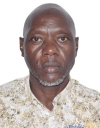
Edward Ssekawojwa Fredrick
ID: UNCST-2025-R017553
|
Elucidating molecular and biochemical basis of Amitraz resistance in Rhipicephalus tick species in selected districts in Uganda
REFNo: A588ES
1 To determine the prevalence and characteristics of tick acaricide resistance in Rhipicephalus tick species against amitraz and other selected acaricides in selected districts in Uganda.
2. To determine whether metabolic enzymes play a role in mediating amitraz resistance in Rhipicephalus tick species in selected districts in Uganda.
3. To identify single nucleotide polymorphisms in the octopamine receptor gene families associated with amitraz resistance in Rhipicephalus tick species in selected districts in Uganda.
4. To explore the transcriptomic profiles of Rhipicephalus tick species regarding the mechanisms and pathways mediating amitraz resistance in selected districts in Uganda.
|
Uganda |
2026-11-09 18:21:38 |
2029-11-09 |
Agricultural Sciences |
Non-Clinical Trial |
Degree Award |
|
Charlotte Aguti Ongom
ID: UNCST-2024-R002883
|
Pandemic Fund: Acute Febrile Illness Surveillance in DR Congo, Rwanda, and Uganda
REFNo: HS7650ES
Main Objective
1. Our overall goal is to strengthen human and animal disease surveillance system capacities in these hotspot regions, and establish collaborative One Health platforms to reduce the risk of disease spillover, amplification, and spread.
Specific Objectives
1. Create an integrated One Health AFI outbreak alert system; a dashboard identifying clusters of human AFI cases and wildlife events.
2. Validate a novel digital mobile health platform for collecting One Health surveillance data at the community level.
3. Detect and characterize new and known viruses of epidemic and pandemic potential in high-risk communities and patients admitted to hospitals and in the community.
4. Identify biological, behavioral, and ecological factors influencing the risk of viral spillover, amplification, and spread.
5. Evaluate the impacts of the new Employee Health Program for park rangers at Bwindi Impenetrable National Park, Queen Elizabeth National Park and Mgahinga Gorilla National Park
|
Uganda |
2026-11-09 18:18:25 |
2029-11-09 |
Medical and Health Sciences |
Non-Clinical Trial |
Non-degree Award |

|
Tushabe Atwongire
ID: UNCST-2026-R025276
|
GENDER BASED VIOLENCE AND SOCIAL WELL BEING OF HOUSEHOLDS IN MAKINDYE URBAN COUNCIL-KAMPALA, UGANDA
REFNo: SS6369ES
1.To examine the relationship between violence and social well being of households in Makindye urban council
2. To examine the relationship between psychological violence and the social wellbeing of households in Makindye urban council.
3. To examine the relationship between sexual violence and social well being of households in Makindye urban council.
4. To examine the relationship between economic violence and social well being of households in Makindye urban council.
5. To asses the moderating effect of cultural practices on the relationship between gender based violence and the social well being of households in Makindye urban council.
|
Uganda |
2026-11-06 20:19:03 |
2029-11-06 |
Social Science and Humanities |
Non-Clinical Trial |
Degree Award |
|
Eunice Ndyareeba Murokore
ID: UNCST-2026-R026176
|
PROMOTING REFUGEE INCLUSION IN UGANDA: ANALYSIS OF EDUCATION, HEALTH, GENDER EMPOWERMENT, AND MEDIA DISCOURSE
REFNo: SS6361ES
1. To examine how menstrual-health barriers affect school attendance and retention among refugee girls in upper primary schools.
2. To assess barriers to sustainable livelihoods for refugee women and develop a participatory, data-driven empowerment model to create sustainable and transformative livelihoods for refugee women.
3. To analyze media statements of refugees and assess their impact on the relationship between refugee and host communities.
4. To investigate the barriers and enabling factors influencing access to and utilization of healthcare services by refugees.
5. To assess the perspectives of refugee stakeholders on the inclusion and integration of refugees in the social services sector.
|
Uganda |
2026-11-06 20:16:12 |
2029-11-06 |
Social Science and Humanities |
Non-Clinical Trial |
Non-degree Award |

|
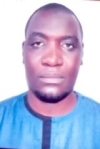
Rajjabu Ssozi
ID: UNCST-2026-R024442
|
ANALYSIS OF THE LEGAL FRAMEWORK ON THE PROTECTION AND SUSTAINABLE MANAGEMENT OF WETLAND ECOSYSTEMS IN UGANDA
REFNo: SS6365ES
i. To examine the legal and institutional instruments regulating wetland protection in Uganda.
ii. To assess the effectiveness of the legal and institutional framework on the protection of wetland in Uganda.
iii. To identify the challenges hindering the protection and sustainable management of wetlands in Uganda.
|
Uganda |
2026-11-06 20:14:22 |
2029-11-06 |
Social Science and Humanities |
Non-Clinical Trial |
Degree Award |
|
Ruth Kigozi Nassali
ID: UNCST-2021-R013025
|
Investigating methods, use and impact of micro-stratification to optimize malaria control efforts in Uganda
REFNo: HS8791ES
4. To assess the effect of a microstratification-adapted malaria control approach at sub-national levels,To examine extent of implementation and acceptability of micro-stratification to guide malaria control activities at sub-national levels,To assess readiness for adoption of micro-stratification for malaria control at sub-national levels,To analyze malaria burden per micro-strata and assess the spatio-temporal differences between and within strata at subnational levels,This research aims to investigate methods, use and impact of micro-stratification to optimize malaria control efforts in Uganda,
|
Uganda |
2026-11-06 20:10:48 |
2029-11-06 |
Medical and Health Sciences |
Non-Clinical Trial |
Non-degree Award |

|
MUGABA MUHAMUD MUHAMAD
ID:
|
SOCIO-CULTURAL CONSTRUCTION OF CHILD DISCIPLINING PRACTICES AMONG THE BASOGA. A CASE STUDY OF MAYUGE DISTRICT
REFNo: SS6346ES
To examine the meaning attached to the construction of child disciplining practices among
the Basoga.
To investigate the socio-cultural factors that shape the construction and legitimation of
child disciplining practices among the Basoga.
To assess the effect of socio-cultural perceptions of child disciplining on the planning of
child protection strategies.
|
Uganda |
2026-11-06 20:09:16 |
2029-11-06 |
Social Science and Humanities |
Non-Clinical Trial |
Degree Award |

|
Niels Boender Jan
ID: UNCST-2026-R027554
|
An African Soldier Speaks: Robert Kakembo and the African Experience of the Second World War
REFNo: SS6311ES
To produce the first fully contextualised critical edition of An African Soldier Speaks (1946)
by recovering, through original archival research in the United Kingdom and Uganda, the biographical, intellectual and political contexts of its author, and thereby to establish Robert
Kakembo as a political thinker in his own right whose text was a consequential intervention in
the debates of its time.
|
Netherlands |
2026-11-06 20:03:58 |
2029-11-06 |
Social Science and Humanities |
Non-Clinical Trial |
Non-degree Award |

|
Jovitah Namutebi
ID: UNCST-2026-R025883
|
Language as Protection: A Scoping Study of Pre-Departure Arabic and Rights Training for Ugandan
Migrant Domestic Workers
REFNo: SS6258ES
To understand if arabic language profficiency can help domestic workers have better outcomes
|
Uganda |
2026-11-06 20:02:19 |
2029-11-06 |
Social Science and Humanities |
Non-Clinical Trial |
Degree Award |

|
Pamela Khanakwa
ID: UNCST-2026-R028522
|
“We have not had Water for Six Months”: Climate Change and Water Crisis in Bukwo, eastern Uganda
REFNo: SS6133ES
1. To establish how the residents of Bukwo district have been accessing water amidst changing environment over the past two decades.
2. To examine the problems they counter in collecting water.
3. To find out how they navigate the water problems and how these might have changed over time
4. To propose possible interventions to remedy the situation
|
Uganda |
2026-11-06 19:56:25 |
2029-11-06 |
Social Science and Humanities |
Non-Clinical Trial |
Non-degree Award |

|
| View |
|
Sort By: |
|
|
|
| |
|