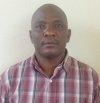
Achilles Katamba
ID: UNCST-2019-R000540
|
Using human-centered design to develop a novel TB medication adherence technology
REFNo: HS1138ES
1. To design and prototype novel TB medication adherence technologies using research insights gained from previous human-centered design research.
2. To Obtain feedback on novel TB medication adherence technologies from TB patients, caregivers, family members, and health workers using an iterative prototyping approach.
|
Uganda |
2021-01-04 |
2024-01-04 |
Medical and Health Sciences |
|
Non-degree Award |
|
Sarah Richardson Elizabeth
ID:
|
A MULTIMETHOD EXAMINATION OF THE STATUS OF EMERGENCY CARE IN UGANDAN HEALTH FACILITIES
REFNo: HS559ES
Broad objective:
To maximise the in-depth understanding of the current status of emergency care delivery in Uganda, in order to inform the effective, efficient and sustainable implementation of the components of the WHO ECS toolkit and other emergency care interventions throughout the country.
Specific objectives/aims:
1. To describe and establish the current knowledge, attitudes and beliefs of stakeholders towards emergency care.
2. To evaluate barriers and facilitators to the provision of emergency care in Ugandan facilities
3. To evaluate factors that will influence the implementation of emergency care education and implementation packages such as the WHO toolkit
4. To evaluate the current quality and process of the provision of emergency care and the associated total and preventable patient morbidity and mortality in emergency facilities
|
UK |
2020-12-24 |
2023-12-24 |
Medical and Health Sciences |
|
Degree Award |

|
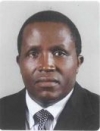
Nazarius Tumwesigye Mbona
ID: UNCST-2019-R000664
|
Satisfaction and Knowledge on Emergency Medical services among Health providers and users in facilities implementing a Health System Strengthening project in Masaka and Bukomansimbi districts
REFNo: HS1136ES
To assess the level satisfaction among health providers who were trained in EMS course under strengthening community health care system project in Masaka region
To assess the level knowledge among health providers who were trained in EMS course under strengthening community health care system project in Masaka region
To evaluate the change in the client satisfaction with EMS in facilities that are implementing strengthening community health care system project in Masaka region
|
Uganda |
2020-12-24 |
2023-12-24 |
Medical and Health Sciences |
|
Non-degree Award |
|
Esther Bayiga Diana Zziwa
ID:
|
PEDESTRIAN SAFETY AND THE BUILT ENVIRONMENT IN KAMPALA CITY, UGANDA
REFNo: HS960ES
1. To examine the pattern in the spatial and temporal distribution of pedestrian safety in Kampala city, Uganda
2. To examine the influence of the built environment on the distribution pattern of pedestrian safety in Kampala city, Uganda
3. To explore perceptions of different categories of road users in Kampala city, Uganda on the significance of the different built environment variables to pedestrian safety.
|
Uganda |
2020-12-24 |
2023-12-24 |
Medical and Health Sciences |
|
Degree Award |

|
Mark Kaddumukasa
ID: UNCST-2020-R001798
|
Prevalence, semiology and risk factors of seizures among elderly patients attending Kiruddu Medical Outpatients in Uganda.
REFNo: HS970ES
Specific objectives
1. To determine the prevalence of seizures among elderly patients attending neurology clinic at Kiruddu hospital.
2. To describe the seizure semiology among elderly patients with seizures.
Secondary objectives
1. To determine the associated risk factors for seizures among elderly patients with cognitive deficts.
2. To determine the cognitive levels of elderly patients attending the neurology clinic at Kiruddu.
3. To explore the stigma associated with dementia among caregivers/families of AD patients.
|
Uganda |
2020-12-24 |
2023-12-24 |
Medical and Health Sciences |
|
Non-degree Award |

|
| View |
|
Sort By: |
|
|
|
| |
|